Black Zine Fair Forever
In these times of digital existence, in-person gatherings allow for connections far beyond the confines of a comment section or shop listing.

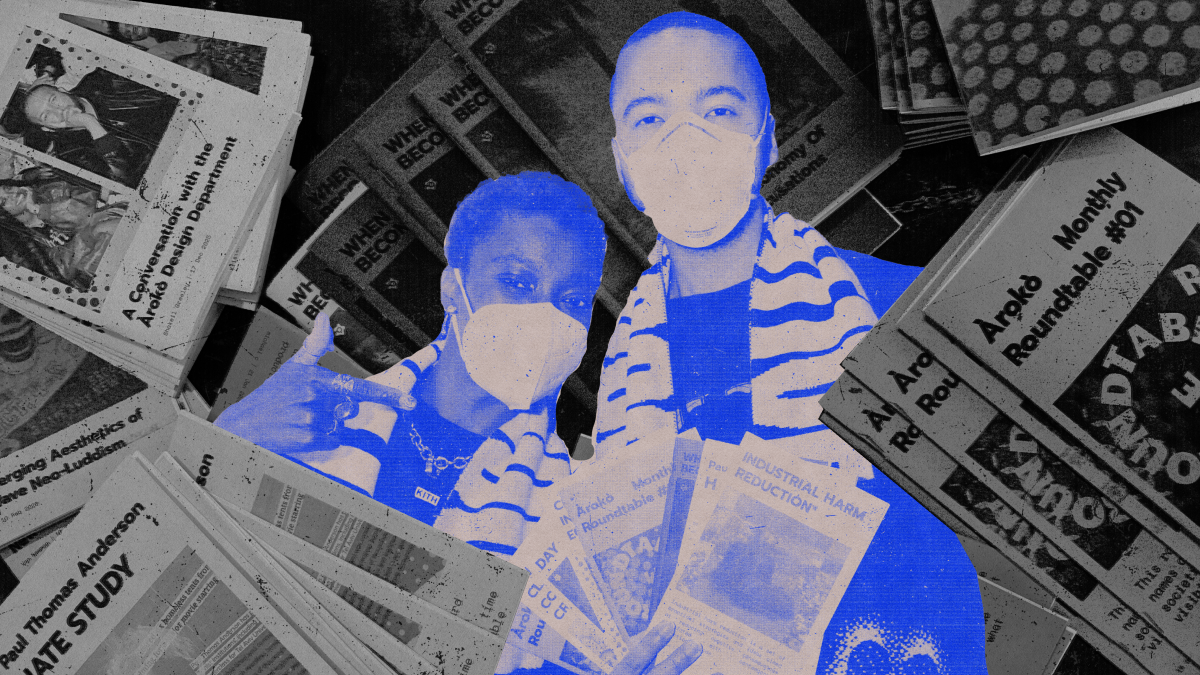
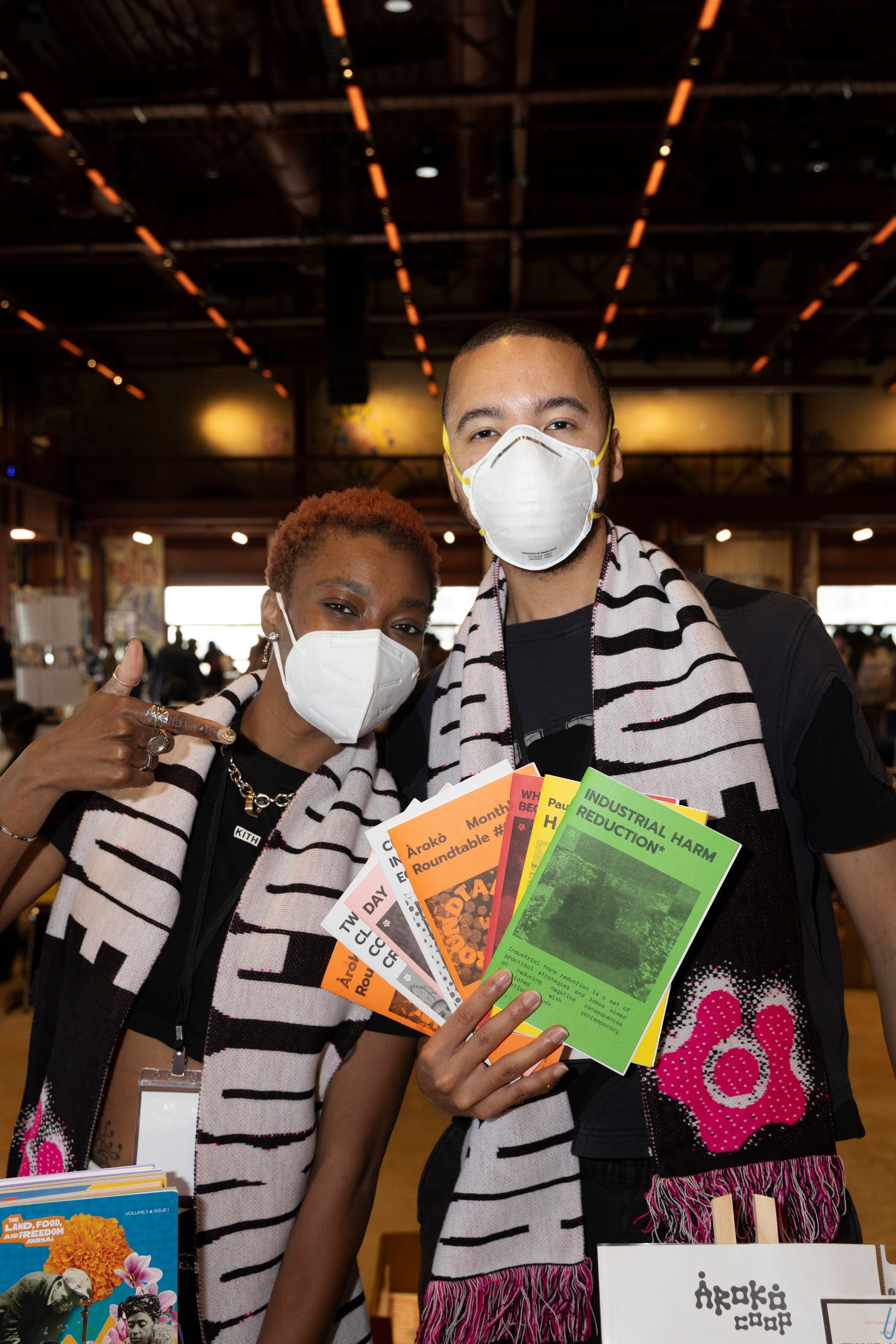
The 2026 Black Zine Fair was an awe-inspiring display of Black design, ingenuity, and community. With over 100 exhibitors, an excess of 3,000 attendees, and more printed matter than anyone could feasibly take in over the course of one day, it felt as though the third annual fair (and our second time tabling) was a resounding success. What follows is both an exercise in gratitude for the event and a loose guide for future exhibitors at BZF (or other fairs) based on our experience.
Preparing our Offerings
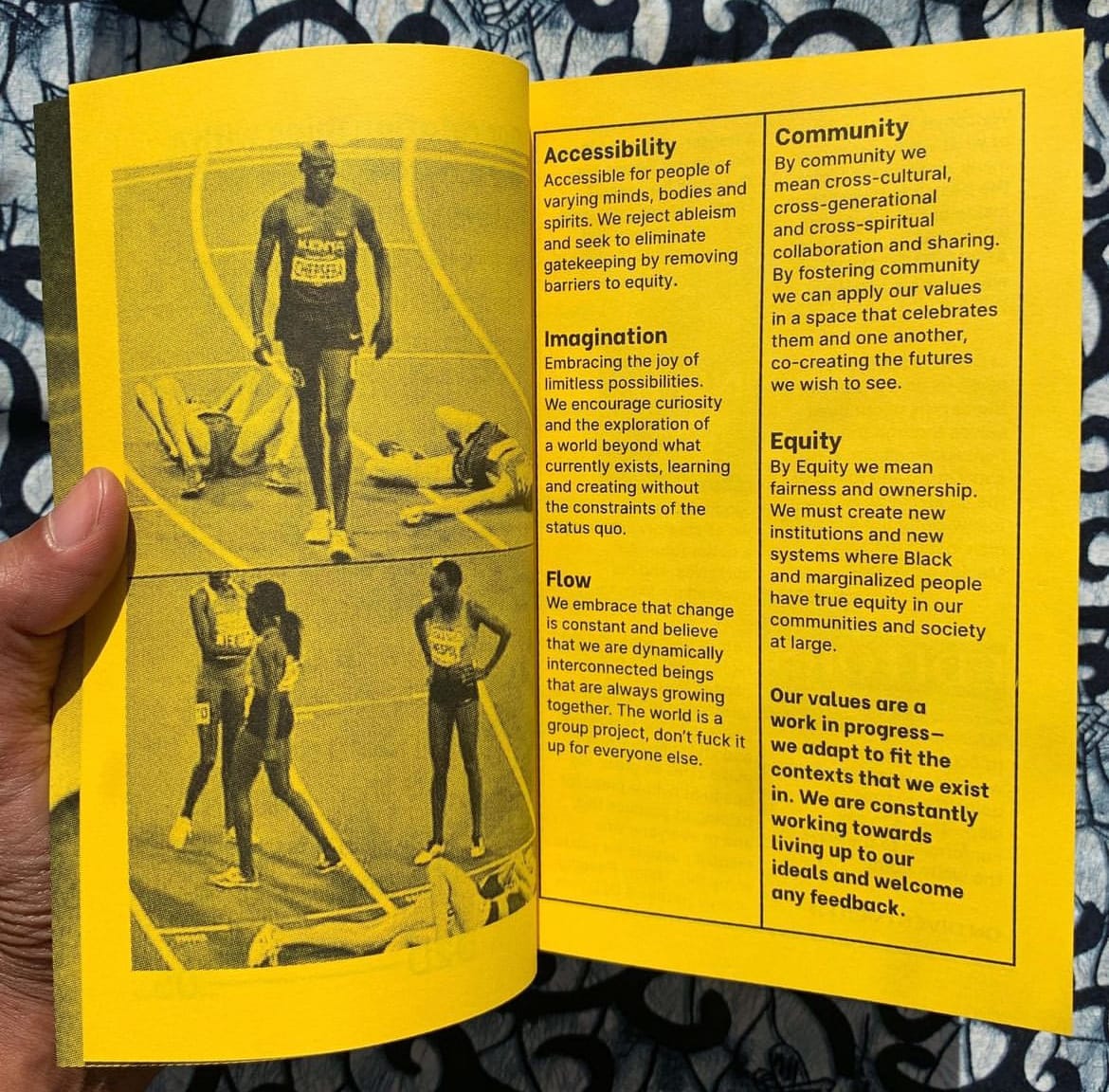
This year, we celebrated AROKO.WORLD at the zine fair, putting eight of our favorite stories from the past year to print. Using a template made in Google Slides, we printed roughly 10 copies of each story that we planned to hand out for free to anyone who subscribed to our mailing list, or sell for a small fee ($3 for one zine, $5 for two, and $10 for three) to anyone who preferred not share their email.
Kellyn and I spent about 6 hours together printing and assembling zines using my home printer (an Epson ET-3830). This printer is incredibly ink-efficient, allowing us to print all of our zines without refilling the ink even once. It also prints double-sided, which is a must. It didn’t love that I was feeding it construction paper and telling it that it wasn’t, but we made it work.
"The printer having different discrepancies show up was really cool. The wabi-sabi of it all. Putting those together and getting into that flow was really fun." – Kellyn
Looking back at the inaugural fair in 2024, we brought our manifestos and just one zine that told our group's story. Now, just two years later, we had posters, an apparel item, a suite of zines (of which we could've brought even more!), and even free issues of The Land, Food, and Freedom Journal.
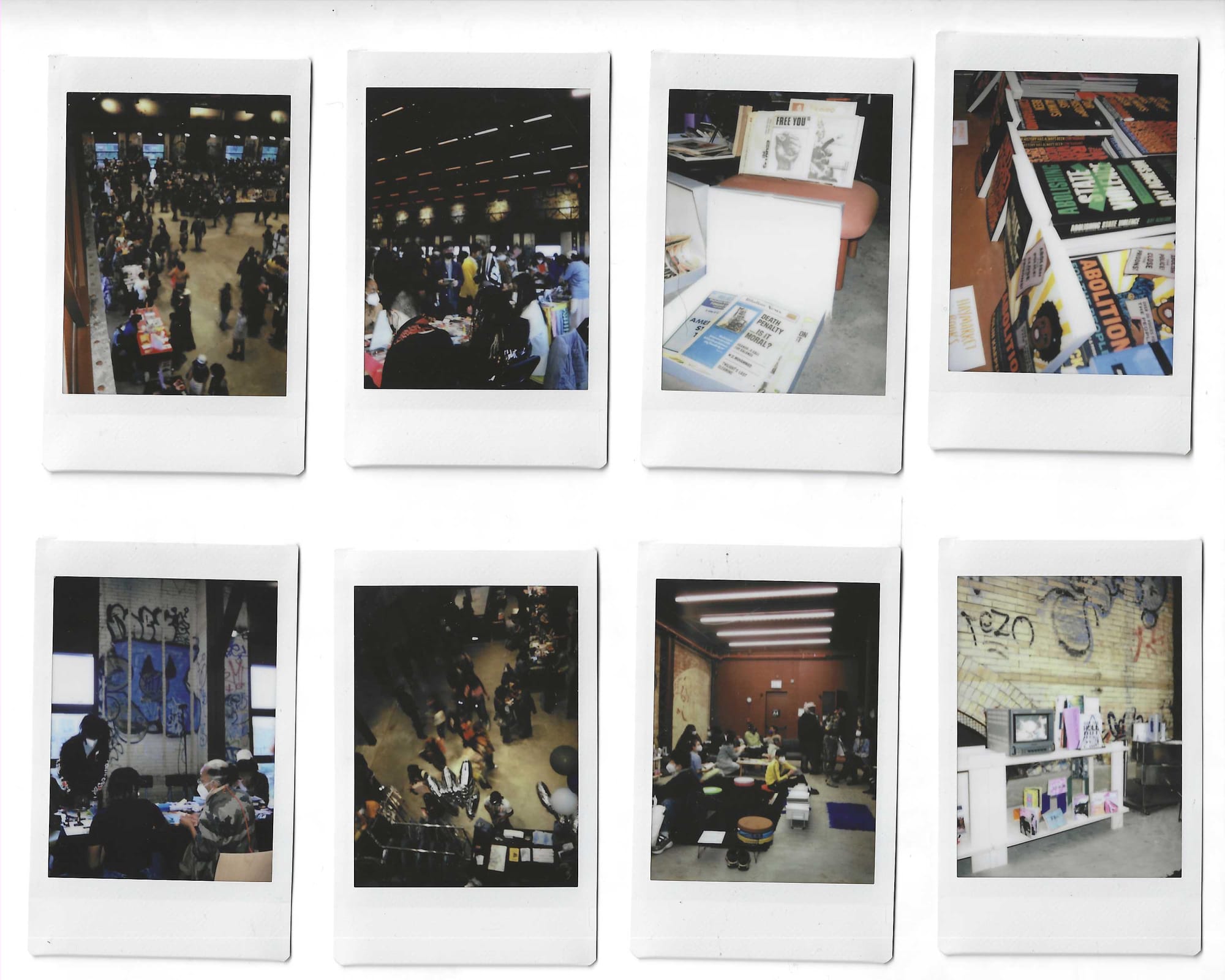
Fair Day
The fair itself felt otherworldly on the day. We drove together to Powerhouse Arts in Gowanus, arriving about an hour before we needed to be on-site. This gave us enough time to set up our table (we shared with AnotherWorld), finish our bagels and coffees, and each do a brief loop around the event to see what else was on offer. Then, we settled in to await the fair-goers.
The energy exchange was staggering in both its scale and intensity. So much so that we completely failed to actually go take it in. We had grand aspirations to take turns circling the fair to meet our fellow exhibitors and browse their wares, but neither of us left the table save for lunch and to refill our water bottles.
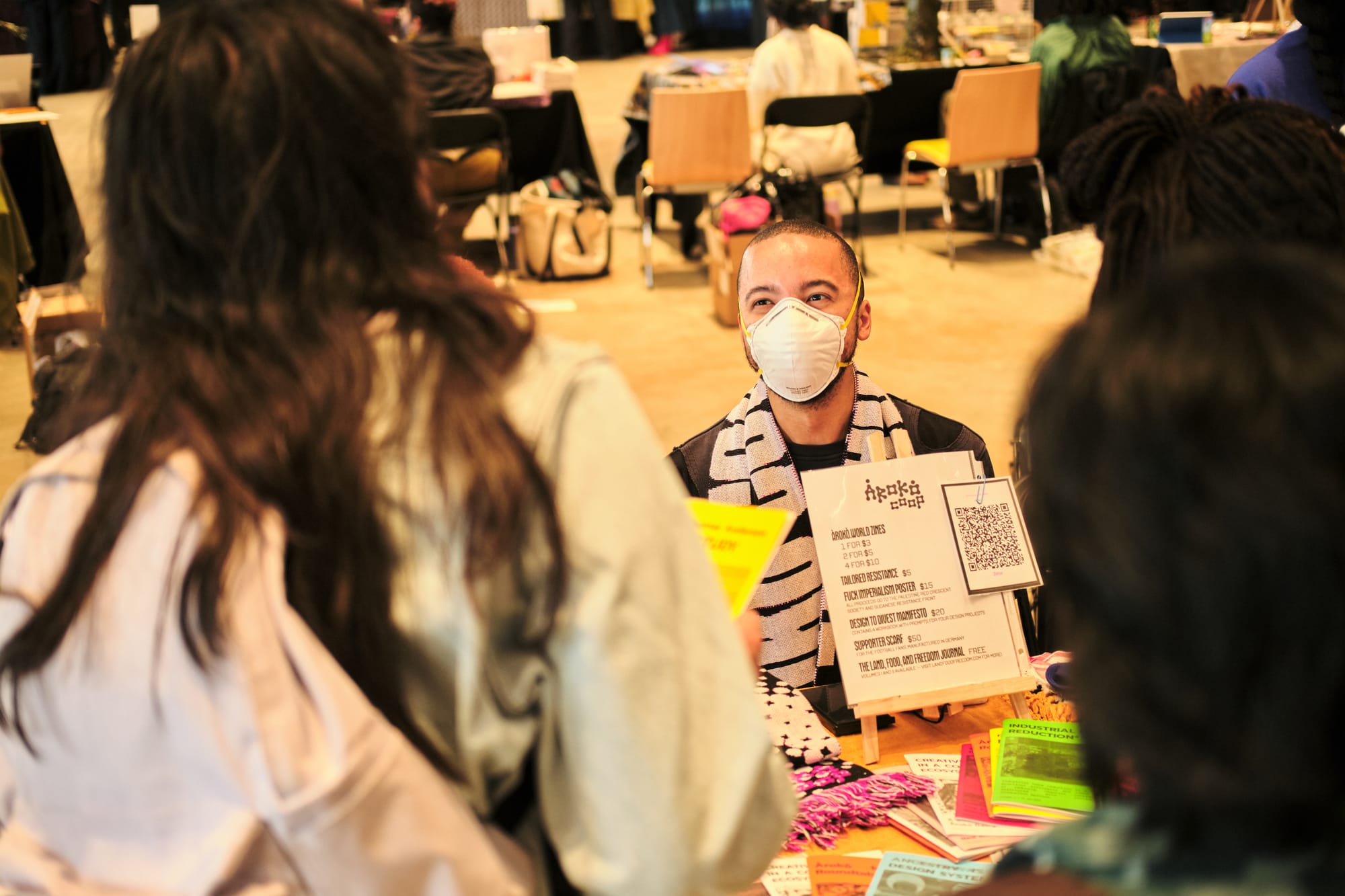
That isn't to say that we didn't thoroughly enjoy meeting the patrons of the fair, from other designers to film aficionados to folks who had interacted with our work before in some way, shape, or form. Seeing people’s responses to what we’ve been building here at AROKO.WORLD digitally was a joy to experience in person.
Kellyn’s take-down of PTA was a hit, and brought in a lot of curious eyes (shoutout to the PTA fan who chatted with us for 15 minutes). Seeing people buy Industrial Harm Reduction and Ancestry is a Design System as a set to use as course materials for a youth design program brought me tremendous pride.
We even had someone ask us about our sold-out, first publication, Cosmic Slop, released in 2021. For me, that may have been the highlight of my day: a reminder of how far we've come and the impact our work has already had. It felt like a real Black Zine Fair moment, the kind that could only happen within the walls of that carefully stewarded space.
The Immediate Aftermath
Although we would have loved to enjoy a celebratory exchange of zines with our fellow exhibitors, Kellyn and I were both exhausted by the end of the day, and retreated to our homes to be in silence. The next day, we counted everything, including our sales and newsletter sign-ups (our primary goal going into the event). Below is a full breakdown of our inputs and outputs.
Newsletter Sign-Ups: ~20
Labor: ~40 hours of labor across writing, editing, design, production, and day-of-tabling
Materials for Sale: ~80 zines / copies of our D2D Manifesto / Fuck Imperialism posters / Free issues of The Land, Food, and Freedom Journal / 25-26 Supporter Scarves
As you can see, we made almost $1,000 in sales and reached roughly 20 newsletter sign-ups. The sales number is a fantastic result for us, but we were disappointed by the newsletter sign-up figures, as we handed out at least 60 zines in exchange for people's email addresses.
Now don’t get it twisted: for us, the fair was a resounding success. The community experience, the energy exchange, the excitement of seeing new works, and the quantity of materials we sold far outweighed the fact that we didn’t hit our newsletter goal.
Looking ahead, we've landed on a few takeaways we'll bring to future fairs of this scale.
- Get people talking: Kellyn's PTA story brought in many visitors to our table who simply wanted to talk about film. Having at least one item that can instantly spark conversation can be a great way to get folks to look through the rest of what is on offer.
- Be strategic about giveaways: In the future, we'll likely offer a smaller giveaway than a full zine, such as a sticker or bookmark.
- Bundle up: Folks responded very positively to our zine packages, and it also gave us a reason to walk visitors through the stories on offer and how they complemented one another.
- Focus on what happens in the room: We went in hoping to drive newsletter sign-ups, but in reality, the most important work happens in the room, on the day itself. Digital engagement is a nice-to-have, but for future fairs, we'll show up with the sole goal of moving units and connecting with folks IRL.
Black Zine Fair Forever
As I think back, now several weeks removed from the day, I'm left with the question of what zine fairs truly are. In these times of digital existence, these in-person gatherings allow for connections far beyond the confines of a comment section or shop listing. Although I've focused on the logistics and commerce of it all, what will stay with me is how the Black Zine Fair in particular has built this expanding infrastructure of radical, independent publishing. That infrastructure creates community in real-time, and allows for this large-scale exchange of memory through printed matter. With each fair, with each table, with each zine, with each exchange, our collective archive grows, embracing each other both on the day, and beyond it. This is what I will remember above all else.
We hope that this reflection sheds some light on the experience for those who couldn't make it, demystifies a bit of the preparation and day-of process, and may be helpful to future exhibitors at the Black Zine Fair or elsewhere.
Our gratitude to Mariam Kaba, Neta Bomani, the BZF volunteers, the attendees, and our fellow contributors knows no bounds. Black Zine Fair forever.
"I'm so thankful that we get to be a part of it and hopefully we continue to be part of it." – Kellyn